A refusal at a U.S. embassy or consulate is discouraging, but it is rarely the end of the road. Ozek Law Firm helps applicants understand why a U.S. visa refusal happened under 214(b), 221(g) or 212(a), and builds a plan for what comes next: sending missing documents, following administrative processing, reapplying with a stronger case, or pursuing a waiver or a different visa.
The refusal letter a consular officer hands you usually cites a section of the Immigration and Nationality Act (INA). That section tells you what kind of problem the officer saw, and the right next step depends on it. The three sections we see most often are 214(b), 221(g) and 212(a).
Under INA 214(b), every visa applicant is presumed to be an intending immigrant until he or she establishes, to the satisfaction of the consular officer, that he or she qualifies for nonimmigrant status. A few categories, such as H-1B and L, are treated differently by the statute. For visitors, students and most other temporary visas, the burden is on you to show that you qualify for the category and that you will leave the United States at the end of your stay.
The State Department describes strong ties as things such as your job, your home and your relationships with family and friends, and it notes that ties vary from person to person. There is no universal checklist. A 214(b) refusal is not permanent and is not a finding of fraud. There is no appeal of a 214(b) decision, but you may reapply, and the State Department suggests doing so when there is additional information to consider or your circumstances have changed significantly.
A refusal under INA 221(g) means the officer could not complete the case at the interview. Two situations are common:
A 221(g) decision is technically a refusal, but the case can still move forward once the documents arrive or processing ends. We track the case, prepare a complete document submission and, when a case stalls for an unreasonable time, evaluate whether a federal court action is appropriate. Our page on mandamus lawsuits for immigration delays explains that option in general terms: such a lawsuit can ask a court to require the government to act, but it cannot force an approval.
INA 212(a) lists the grounds of inadmissibility. Examples the State Department mentions include certain criminal convictions, drug violations, fraud or misrepresentation, public charge concerns and prior unlawful presence in the United States. Unlike 214(b), some of these findings can block a visa for years or permanently, so they call for careful legal analysis before any new application.
For some grounds a waiver may be available. The State Department explains that you must be fully qualified for the visa except for the specific ineligibility before a waiver can be considered, and that not every ground can be waived. Immigrant and nonimmigrant waivers follow different rules. Our page on immigration waivers (I-601 and I-601A) covers the options for immigrant cases.
Generally, no. Under the doctrine of consular nonreviewability, U.S. courts generally do not review a consular officer’s decision to issue or refuse a visa. The Supreme Court reaffirmed this principle in Department of State v. Muñoz (2024), recognizing at most a very narrow exception. In practice, the way forward is usually a better-prepared new application, a complete answer to a 221(g) request, a waiver, or a different visa strategy, not a lawsuit against the refusal itself.
Reapplying with the same facts and the same answers usually produces the same result. These are the factors that can make a real difference:
Never misstate facts to overcome a refusal. A misrepresentation finding under 212(a) is far more serious than a 214(b) refusal and can follow you for life.
Fees depend on the scope of work, so we quote them at your consultation.
Ozek Law Firm attorneys are admitted in Maryland, New York and the District of Columbia. California matters are handled with California-licensed co-counsel. Immigration law is federal, so we represent immigration clients across the U.S. and worldwide. We work with applicants in Türkiye and many other countries by video, with consultations in English, Turkish, Spanish and Swedish.
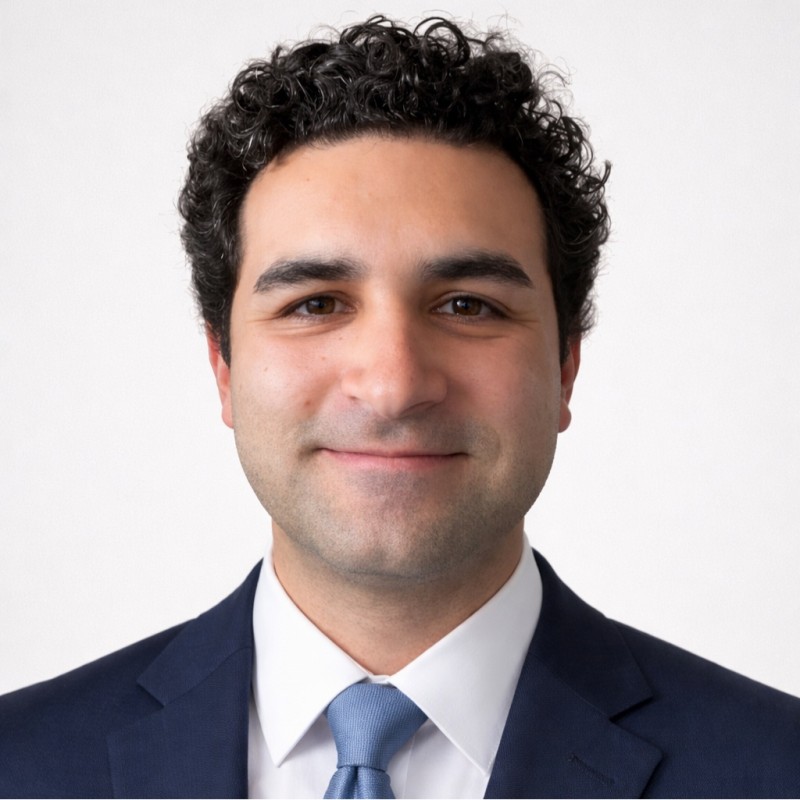
Tolga Ozek founded Ozek Law Firm and has spent more than 13 years guiding individuals, families, investors and companies through U.S. immigration and business law, in English and Turkish. He is admitted in Washington, D.C., Maryland and New York.
No. A 214(b) refusal applies to that application. You may reapply, and it makes sense to do so when you have new information or your circumstances have changed in a meaningful way.
There is no fixed waiting period. What matters is whether something has changed or whether important information was not presented the first time. Reapplying quickly with the same facts rarely helps.
Technically, a 221(g) decision is a refusal, but it often means the case is on hold for documents or administrative processing. The case can still be approved once the missing information is received or processing ends.
The State Department says you have one year from the date of refusal to provide the requested information. After one year, you must reapply and pay a new application fee.
It varies with the circumstances of each case, and the State Department does not give a fixed timeline. We monitor the case and advise when an inquiry or another step is appropriate.
There is no appeal of a 214(b) refusal, and U.S. courts generally do not review consular visa decisions. The practical options are to reapply with a stronger application, complete a 221(g) request, request a waiver where one is available, or consider a different visa.
You must disclose prior refusals on future applications, and officers will see your history. A 214(b) refusal does not bar you from reapplying, but your next application should show what is different. Findings under 212(a), such as misrepresentation, can have lasting effects.
Yes. Immigration law is federal, and we represent applicants worldwide. We work with clients in Türkiye by video and secure online document exchange, in Turkish or English.
Take the first step toward turning your challenges into achievements. We are ready to listen.