
Consular Processing, NVC and Immigrant Visa Interview Preparation

Individuals
Consular Processing and NVC

Consular processing is the path to a green card for people who are outside the United States, or who choose to finish their case abroad. After USCIS approves the immigrant petition, the National Visa Center (NVC) collects fees, forms and documents, and a U.S. embassy or consulate interviews you and decides on the immigrant visa. Ozek Law Firm guides families and workers through every step, from the first NVC letter to the day the green card arrives.

  1. 01Consular processing or adjustment of status?
  2. 02Step by step: from petition to green card
  3. 03What to bring to the interview
  4. 04Immigrant visas for applicants in Türkiye
  5. 05Interview preparation with Ozek Law
  6. 06What you receive from Ozek Law
  7. 07Frequently asked questions
Ozek Law Firm — Consular Processing and NVC
01 — Consular Processing and NVC

Consular processing or adjustment of status?

Once you are the beneficiary of an approved immigrant petition and a visa number is available, there are two ways to become a permanent resident. If you are outside the United States, you apply for an immigrant visa at a U.S. embassy or consulate; USCIS calls this consular processing. If you are already in the United States and eligible, you may apply for adjustment of status on Form I-485 without leaving the country.

Some people in the United States cannot adjust because of how they entered or because a bar applies. Talk to an attorney before leaving for an immigrant visa interview: prior unlawful presence, for example, can make you inadmissible once you depart, and a waiver is not always available.

02 — Consular Processing and NVC

Step by step: from petition to green card

01

Petition approval

A relative files Form I-130, or an employer files Form I-140 (in EB-1A and EB-2 NIW cases, applicants may file for themselves). When USCIS approves the petition for someone who will process abroad, it sends the case to the NVC. In categories with annual limits, the case waits until the priority date is current under the Visa Bulletin.
02

NVC welcome letter and CEAC

NVC creates your case and sends a welcome letter with the information you need to log in to the Consular Electronic Application Center (CEAC). CEAC is where you pay fees, complete forms, upload documents and check status.

03

Fees paid to NVC

Two processing fees are paid through CEAC: the immigrant visa application processing fee and, where required, the Affidavit of Support fee. The State Department publishes the current amounts.

04

Form DS-260

You and each family member immigrating with you complete a separate DS-260, Application for Immigrant Visa and Alien Registration, online. Print the confirmation page and bring it to the interview. Submitting the DS-260 does not formally execute the visa application; that happens at the interview with the consular officer.

05

Affidavit of Support (Form I-864)

The petitioner, as sponsor, completes Form I-864 and accepts financial responsibility for the immigrant. If the petitioner’s income does not meet the requirement, a joint sponsor may also submit an I-864. Errors here are a common reason for delays.

06

Civil documents

Upload the civil documents NVC requests, such as passport biographic pages, birth and marriage records, divorce decrees, police certificates, court or military records where they apply, and photographs. The State Department’s reciprocity schedule for each country explains which documents are available and which authority issues them. Keep the originals: you will bring original or certified copies to the interview.

07

Documentarily qualified and interview scheduling

NVC reviews your fees, forms and documents for completeness. When the file is complete, the case is documentarily qualified and waits for an interview. Once a visa is available, NVC schedules the appointment and emails you, the petitioner and your attorney the date and time. Since November 1, 2025, NVC schedules immigrant visa applicants in the consular district for their place of residence, or in their country of nationality if requested, with rare exceptions.

08

Medical examination

Every applicant must complete a medical examination, with any required vaccinations, by a panel physician approved by the embassy, before the interview. Exams by other doctors are not accepted.

09

The interview

The officer reviews your originals, asks about the relationship or job offer and considers any grounds of inadmissibility, then tells you whether the visa is approved, refused or needs more processing.

10

After the interview

Some cases are refused under INA 221(g) because a document is missing, or require administrative processing, which takes additional time. If the visa is approved, it is placed in your passport; check the visa for errors right away. Our page on visa refusals and 221(g) explains what to do if the case does not end at the interview.

11

USCIS Immigrant Fee, travel and the green card

Most new immigrants must pay the USCIS Immigrant Fee online, and USCIS encourages paying it after you receive the visa and before you travel. The immigrant visa is usually valid for up to six months, or less if your medical examination expires sooner, and you must arrive and apply for admission before it expires. If you receive a sealed visa packet, do not open it. When U.S. Customs and Border Protection admits you, you become a permanent resident. USCIS then mails the green card to the U.S. address you provided, but it will not send the card until the Immigrant Fee is paid.

03 — Consular Processing and NVC

What to bring to the interview

  • Your passport and the appointment letter
  • The DS-260 confirmation page
  • Photographs meeting the State Department’s requirements
  • Original or certified copies of every civil document you uploaded to NVC
  • Any items listed in the embassy’s own instructions for your post
04 — Consular Processing and NVC

Immigrant visas for applicants in Türkiye

According to the family-based immigration guidance of the U.S. Embassy and Consulates in Türkiye, NVC forwards immigrant visa files to the U.S. Embassy in Ankara and sends the appointment letter. Before the interview, applicants register a document delivery location through the embassy’s appointment service and bring the registration receipt, and the medical examination must be performed by a physician authorized by the embassy. Always follow your appointment letter and the embassy’s current instructions.

05 — Consular Processing and NVC

Interview preparation with Ozek Law

Many interview problems are preventable: a missing document, a weak I-864, inconsistent answers or an unaddressed inadmissibility issue. Our mock interview is a practice session in English or Turkish in which an attorney asks the kinds of questions consular officers ask, reviews the file with you and flags issues before the real interview.

06 — Consular Processing and NVC

What you receive from Ozek Law

  • A strategy consultation, including whether consular processing or adjustment of status fits your case
  • A document checklist in English and Turkish
  • Preparation of the forms that apply: I-130 or I-140 when we file the petition, DS-260 for each applicant, and I-864 (with a joint sponsor’s I-864 where needed)
  • Attorney review of every NVC upload before submission
  • CEAC tracking and responses to routine NVC requests
  • A mock interview and a pre-interview document review
  • Follow-up on 221(g) requests and administrative processing
  • Updates by email, phone or WhatsApp

Fees depend on the scope of work, so we quote them at your consultation.

Ozek Law Firm attorneys are admitted in Maryland, New York and the District of Columbia. California matters are handled with California-licensed co-counsel. Immigration law is federal, so we represent immigration clients across the U.S. and worldwide. We work with applicants in Türkiye and many other countries by video, with consultations in English, Turkish, Spanish and Swedish.

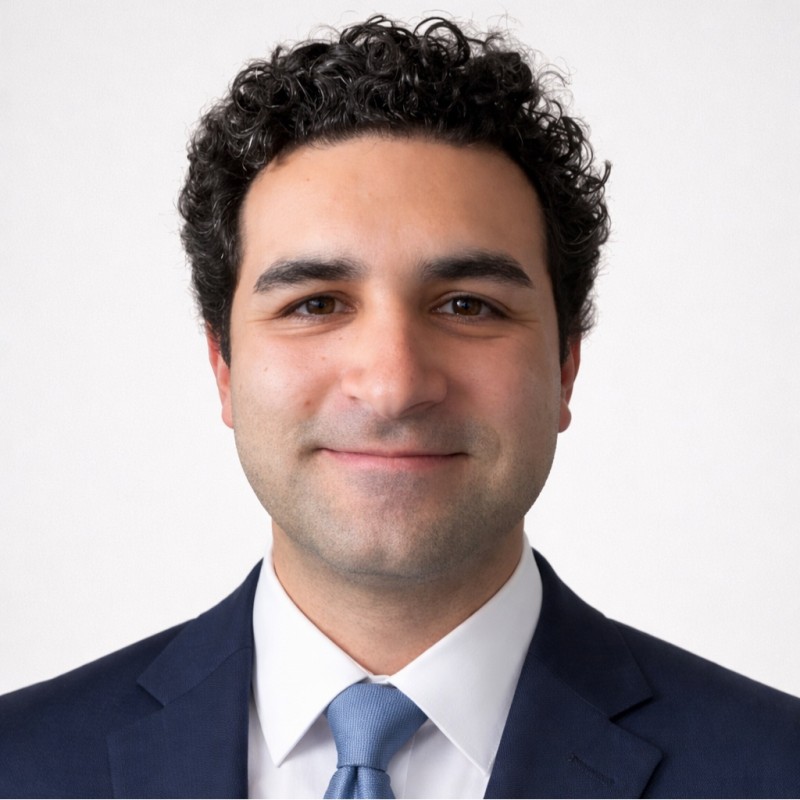
Tolga Ozek, Esq.
Your Attorney
Tolga Ozek
Attorney at Law · Founding Principal

Tolga Ozek founded Ozek Law Firm and has spent more than 13 years guiding individuals, families, investors and companies through U.S. immigration and business law, in English and Turkish. He is admitted in Washington, D.C., Maryland and New York.

Frequently Asked Questions

Consular Processing and NVC: Frequently Asked Questions

How long does consular processing take?

It depends on the visa category, the Visa Bulletin, how quickly fees and documents are submitted and the embassy’s interview schedule. Immediate relatives of U.S. citizens are not subject to annual visa limits, while preference categories can wait years for a priority date to become current.

Can I choose the embassy that interviews me?

Generally, no. Since November 1, 2025, NVC schedules immigrant visa applicants in the consular district of their place of residence, or in their country of nationality if requested. The State Department says rare exceptions may be made for humanitarian, medical or foreign policy reasons.

What does documentarily qualified mean?

It means NVC has reviewed your fees, forms and documents and found the file complete. The case then waits for an interview appointment once a visa is available.

Who pays the USCIS Immigrant Fee, and when?

Most new immigrants must pay it online. USCIS encourages paying after you receive the immigrant visa and before you travel, and a family member, employer or attorney may pay for you. USCIS will not send the green card until the fee is paid. Some groups, such as K visa holders and returning residents, are exempt.

What happens if my case goes into administrative processing?

The consular officer tells you at the end of the interview. The length varies with the circumstances of each case, and the embassy contacts you when processing is complete.

How long is an immigrant visa valid?

Usually up to six months from issuance, unless the medical examination expires sooner. You must arrive in the United States and apply for admission before the visa expires.

When will I receive my green card?

After you are admitted and the USCIS Immigrant Fee is paid, USCIS mails the card to the U.S. address you gave at the interview or to the officer at the port of entry. If it does not arrive within 90 days, USCIS offers an online request for help.

Begin With a Conversation

Schedule a Confidential Consultation Today.

Take the first step toward turning your challenges into achievements. We are ready to listen.

Ozek Law Firm, LLC
4500 East West Highway, Ste 150, Bethesda, MD 20814
Phone: +1 (202) 854 8545 · Email: info@ozeklaw.com
Related pages: Family-Based Green Cards · Adjustment of Status · Visa Refusals and 221(g) · Green Card Travel Checker

Written and reviewed by Tolga Ozek, Esq. · Updated September 26, 2026. Attorney Advertising. This page provides general information, not legal advice, and does not create an attorney-client relationship. Prior results do not guarantee a similar outcome. Ozek Law Firm, LLC, principal office: 4500 East West Highway, Ste 150, Bethesda, MD 20814.