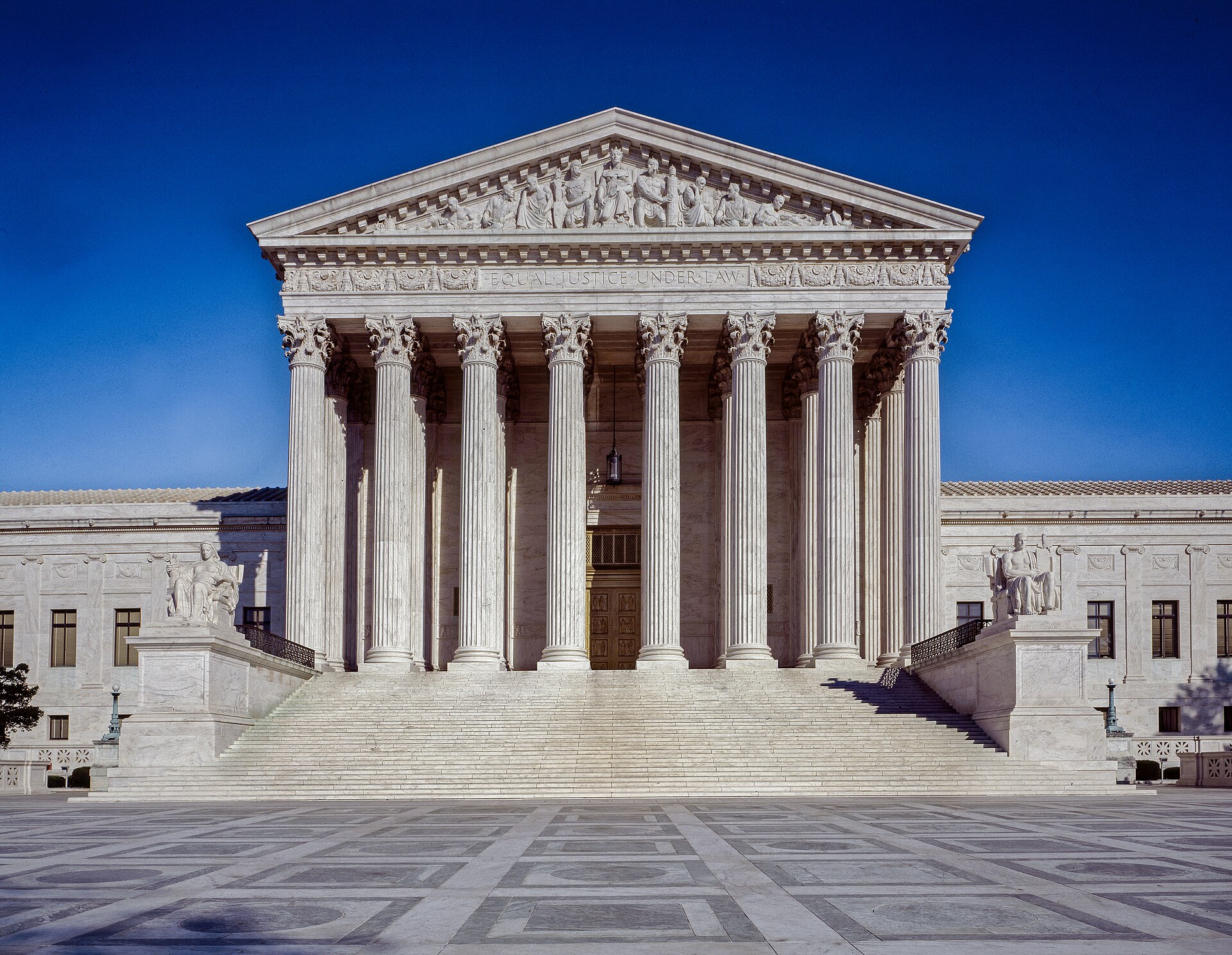
On June 30, 2026, the United States Supreme Court decided an important case about birthright citizenship — the long-standing rule that a child born in the United States is a U.S. citizen. We are sharing this plain-language summary so you can understand what the Court decided and how it may affect your family.
What the Supreme Court Decided
In a 6–3 decision written by Chief Justice John Roberts, the Court ruled that the Constitution guarantees birthright citizenship to virtually all children born on U.S. soil, and that the January 2025 executive order attempting to end it is invalid and cannot be enforced.
- A child born in the United States is a citizen at birth.
- This is true even if the child’s parents are undocumented or are in the country only temporarily (for example on a tourist, student, or work visa).
- The protection comes from the Fourteenth Amendment and the landmark 1898 case United States v. Wong Kim Ark — and has been the law for more than a century.
Background: What Was the Question?
In January 2025, an executive order tried to change the rules. It said that children born in the United States would not be citizens if their parents were undocumented or were in the country only temporarily. Several families went to court, and the question reached the Supreme Court: does the Constitution still guarantee citizenship to these children? The Court answered yes.
The Bottom Line
If your child was born in the United States, your child is a United States citizen — no matter what your own immigration status is. The executive order cannot be used to deny or take away that citizenship.
What Does Not Change
- This decision is about children born on United States soil. It does not change the immigration status of the parents.
- By itself, it does not give parents a green card, a visa, or any other immigration benefit.
- Your own immigration case still depends on your own facts and the laws that apply to you.
- Children already born in the United States keep their citizenship.
Looking Ahead
- One member of the Court suggested that Congress could one day attempt to pass a new law on this subject. No such law exists today. If that ever changes, we will inform our clients.
- The Court left a small number of narrower questions for possible future cases. The core protection — citizenship for children born here — remains firmly in place.
What You Should Do
- If your child was born in the U.S. and you need a passport, a Social Security number, or other proof of citizenship, you may proceed as usual.
- If you received any notice questioning your child’s citizenship because of the executive order, please contact our office so we can review it.
- If you have questions about your own immigration options, we are here to help — in English or Turkish.
Frequently Asked Questions
Is my U.S.-born child still a citizen after this decision?
Yes. The Supreme Court confirmed that a child born in the United States is a citizen at birth, regardless of the parents’ immigration status. The executive order cannot be used to deny that citizenship.
Does this ruling give the parents a green card or visa?
No. The decision concerns the citizenship of children born on U.S. soil. It does not, by itself, change the parents’ immigration status or grant any immigration benefit to the parents.
Could Congress still change birthright citizenship?
One Justice suggested Congress might attempt legislation in the future, but no such law exists today, and the constitutional protection remains in place. We will update our clients if anything changes.
4500 East West Highway, Ste 150, Bethesda, MD 20814
Phone: +1 (202) 854 8545 · Email: info@ozeklaw.com
Related: Türkçe Müvekkil Bilgilendirmesi (TR) · Turkish-Speaking Immigration Lawyer · U.S. Citizenship & Naturalization
This memorandum provides general information about a public decision of the U.S. Supreme Court (Trump v. Barbara, No. 25–365, decided June 30, 2026). It is not legal advice and does not create an attorney-client relationship. Laws and individual circumstances vary. Please consult a licensed attorney before acting on any information here. Attorney Advertising.